
People of the Banbury Dockyard
Tooley’s Boatyard, 1778-2026
People, Practice and the survival of a Working Industrial Landscape
A major research project by Matthew Armitage examining the people, working practices and long-term survival of one of Britain’s most significant surviving inland waterways repair sites.
About the Project
This research project presents the first full evidence-based study of Tooley’s Boatyard, Banbury, also known historically as the Banbury Dockyard. It examines the site from the arrival of the Oxford Canal in 1778 through to the present day, tracing the people, buildings, craft traditions and working practices that allowed the Dockyard to survive for nearly two and a half centuries.
The project brings together documentary research, genealogy, industrial archaeology, oral history, photographs, maps and practical knowledge gained from operating the yard as a working site. Its central finding is that Tooley’s is not simply a preserved historic place, but a living industrial landscape where dock, forge, workshops, tools, people and traditional skills remained connected through long-term use.
Key Findings

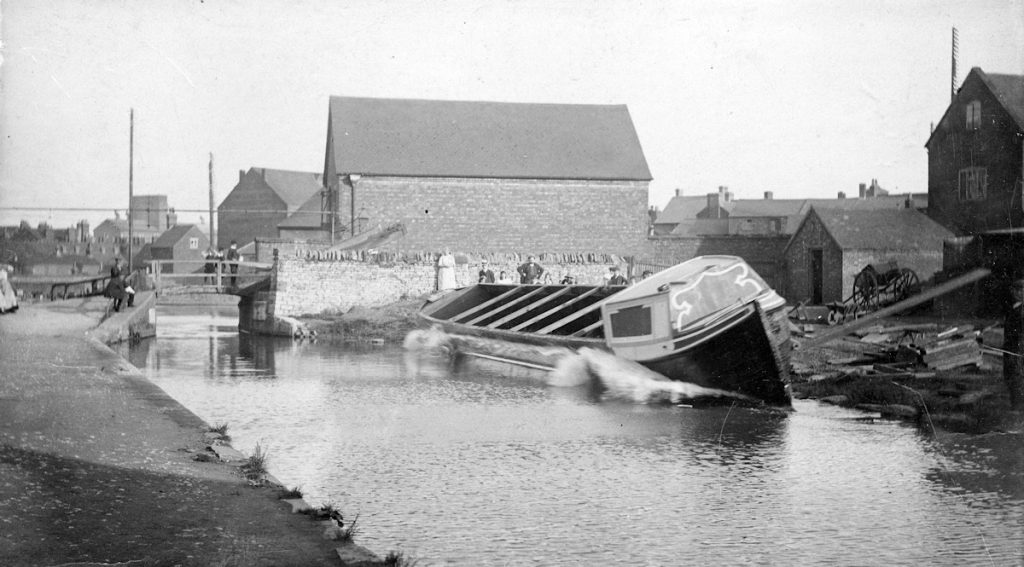
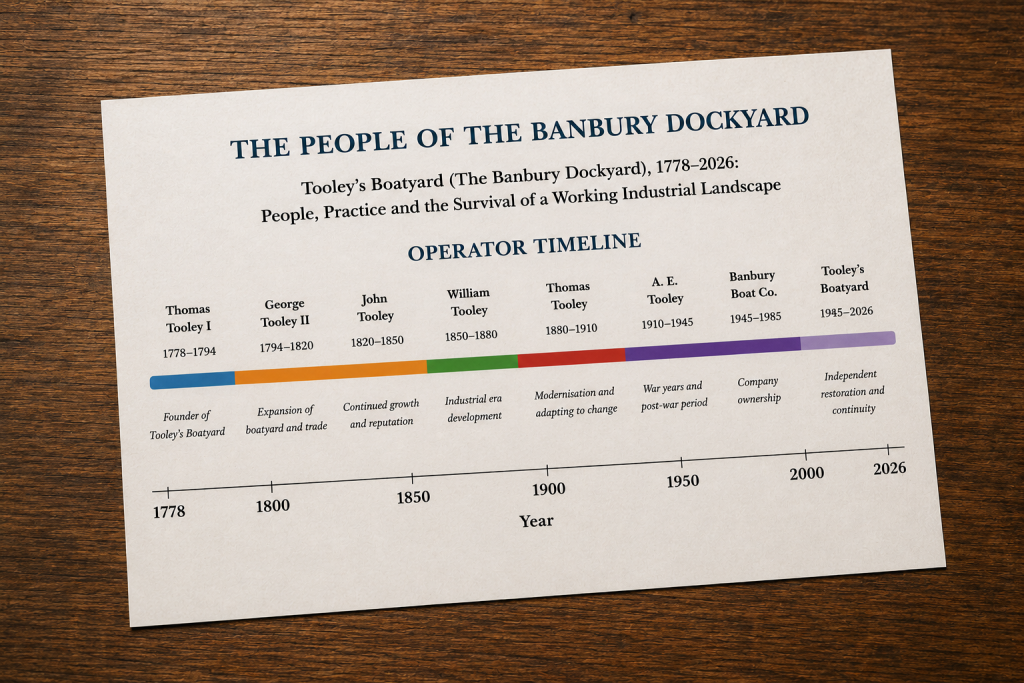
Continuous Operator Lineage
The research established a continuous evidence-based sequence of Dockyard operators from the late eighteenth century to the present day.

Living Industrial Landscape
The study showed that the Dockyard survived as a functioning repair site, not simply as a collection of historic buildings.

Working Families and Craft Knowledge
The research revealed the importance of boatbuilders, blacksmiths, repairers and canal-side families in sustaining the site across generations.

National Heritage Significance
The project provides a stronger evidence base for understanding, protecting and interpreting Tooley’s as a working heritage site.
How the Research Was Carried Out
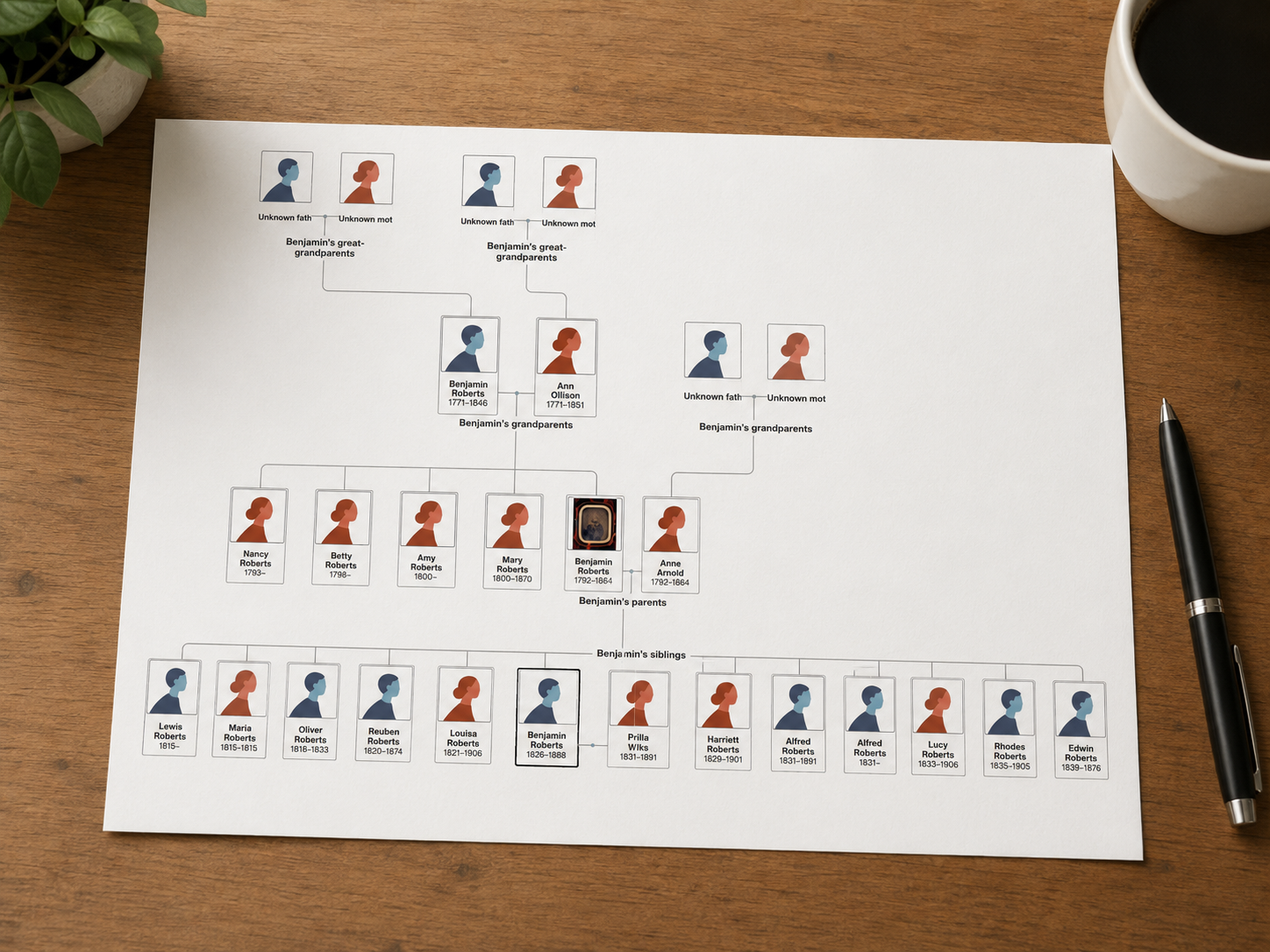
Genealogical Research
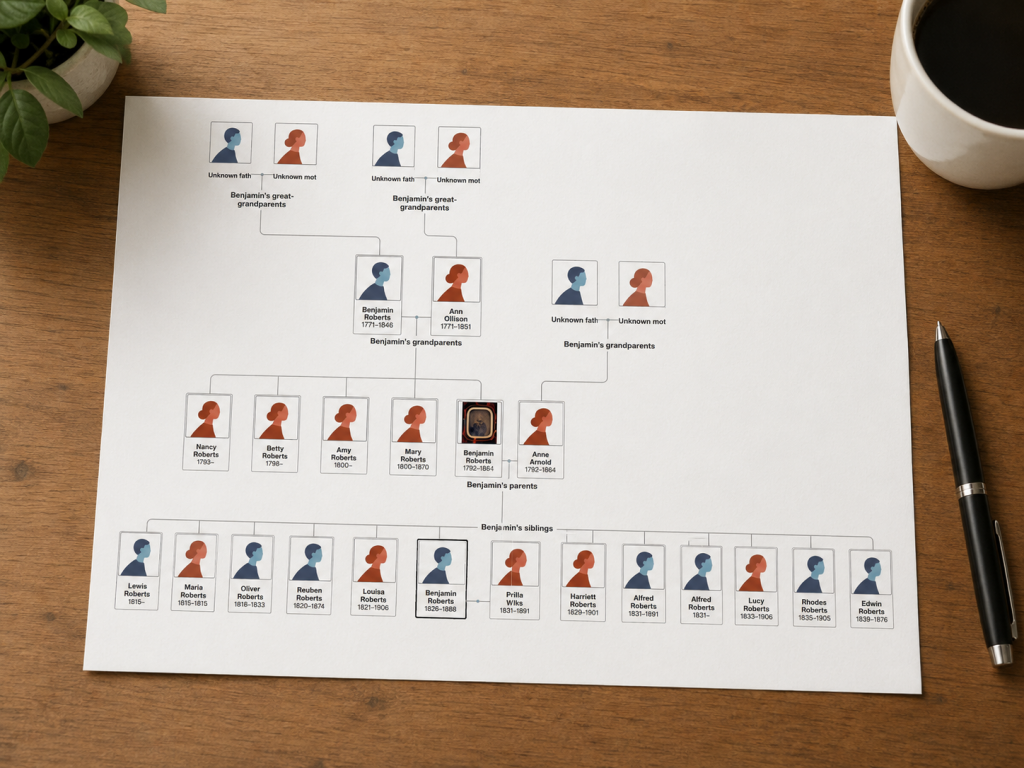
Census records, parish registers, probate documents and trade directories were used to reconstruct the people and families connected with the Dockyard. This helped identify operators, clarify relationships and trace occupational continuity across generations.
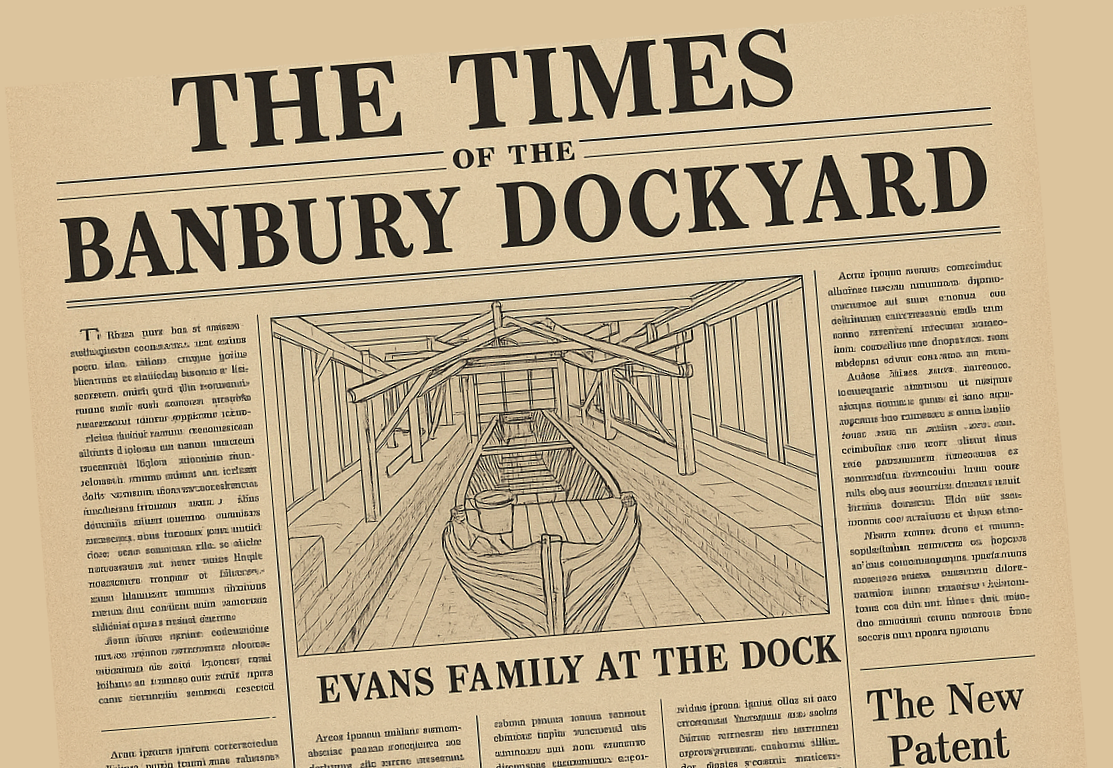
Archival Research
Newspapers, canal records, historic maps, photographs and local documents were examined to build a reliable chronology of the site. These sources helped identify launches, fires, repairs, disputes, ownership changes and working activity.
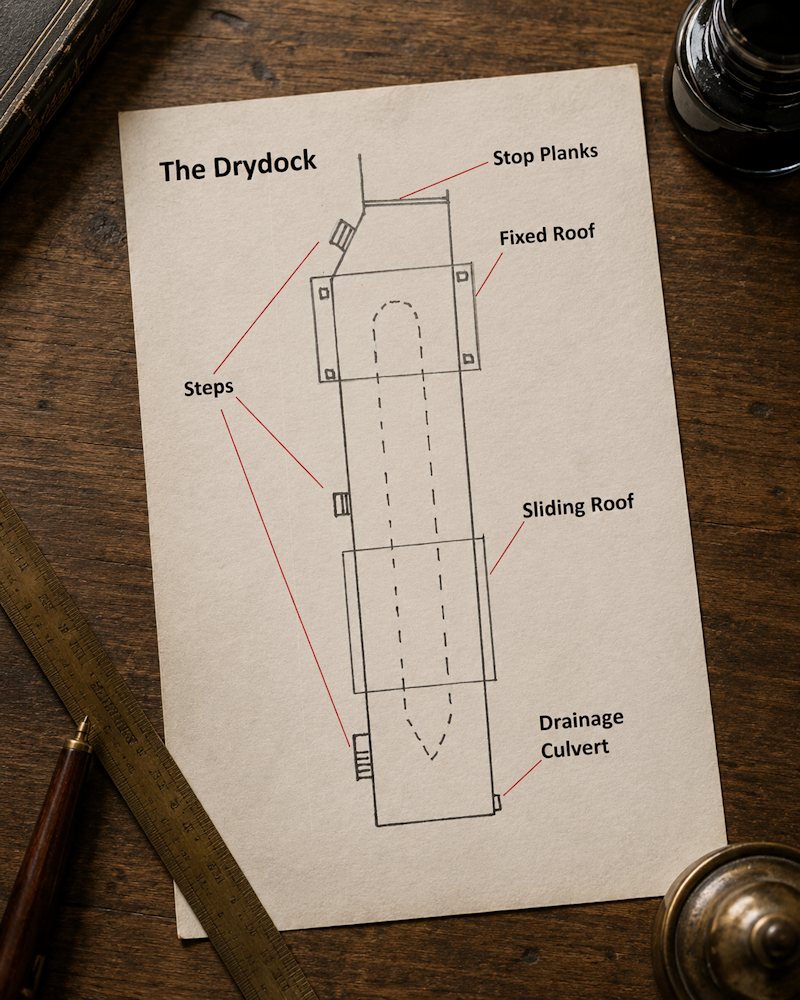
Industrial Archaeology
The dry dock, forge, workshops, machinery spaces and surviving fabric were studied as physical evidence. The layout of the site helped explain how boats moved through the yard and how repair work was organised..
Oral History and Practitioner Knowledge
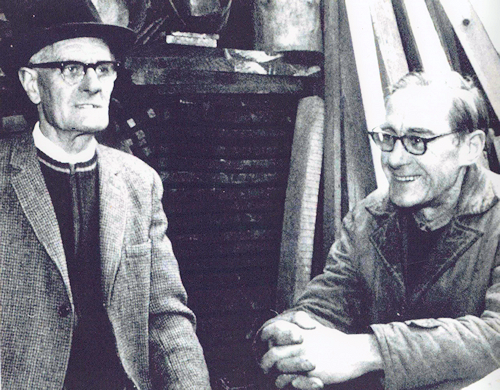
Memories, local knowledge and practical experience of running the Dockyard were used carefully alongside written and physical evidence. This helped interpret working practices that were rarely recorded in documents.
The People Behind the Dockyard
At the centre of the project is the story of the people who operated the Banbury Dockyard.
The research moves beyond a simple list of names and reconstructs the working families, craftsmen and operators who shaped the site over more than two centuries.
Their lives show how the Dockyard survived through changing transport systems, economic pressures, industrial decline and the rise of modern canal heritage.
Evidence from the Past
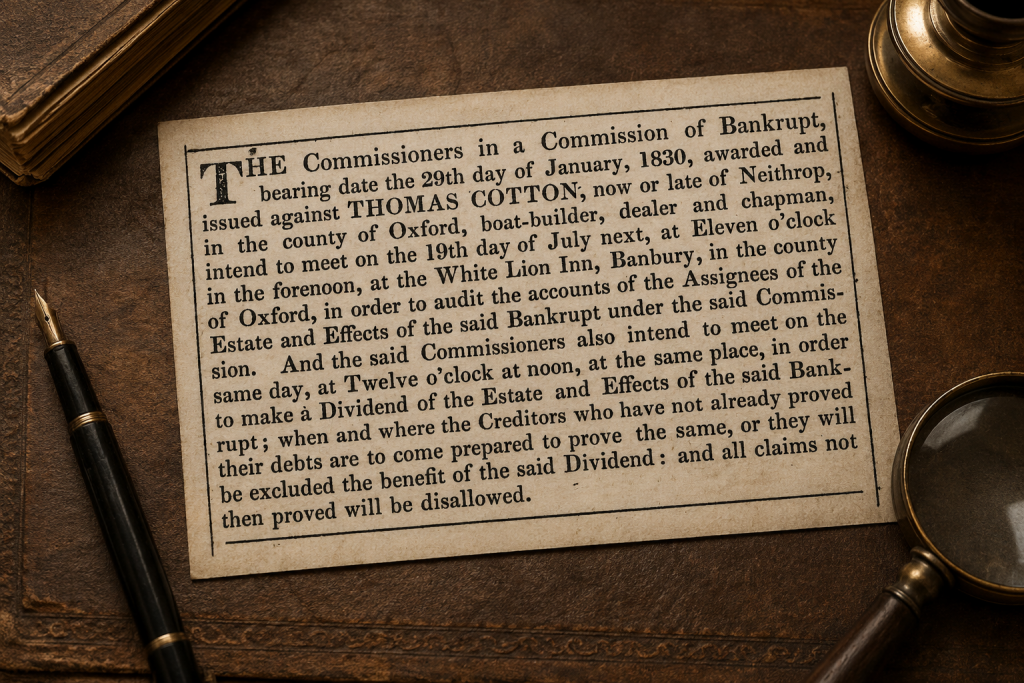
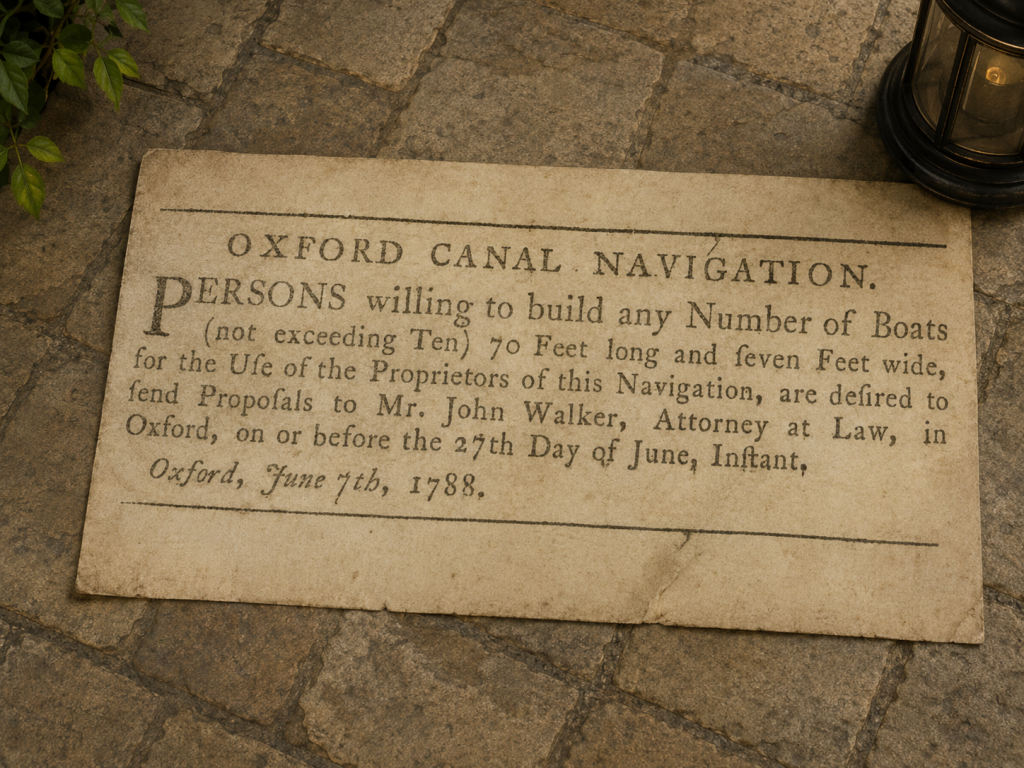
The project used many different types of evidence. Newspaper reports helped fix events in time. Census records revealed occupations and family connections. Maps showed the changing shape of the Dockyard. Archaeological reports and surviving fabric helped explain how the site developed physically. By comparing these sources, the research replaced long-standing assumptions with stronger evidence.

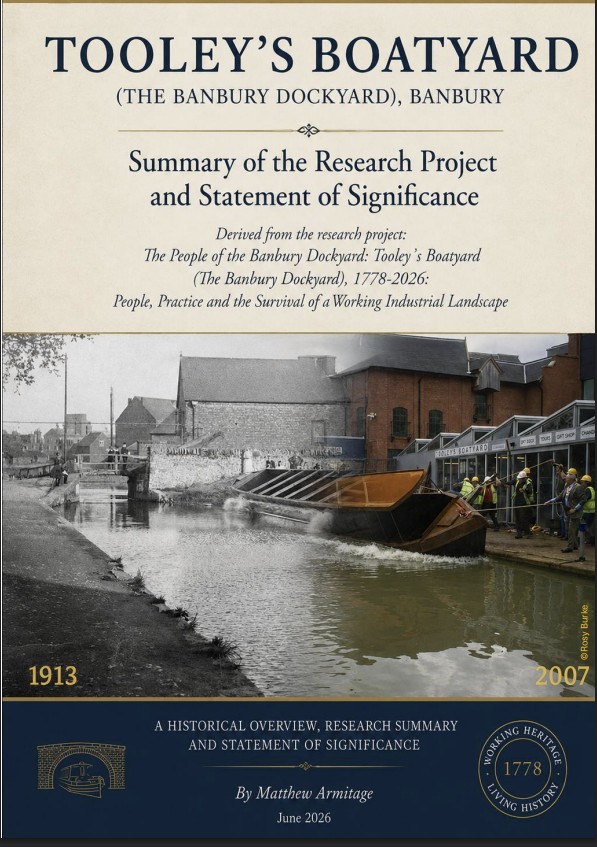
Download the Summary
A shorter illustrated summary and statement of significance is available as a downloadable introduction to the wider research project. It presents the main findings, historical themes and heritage conclusions in a more accessible format.
Why the Research Matters
This research matters because working heritage sites are vulnerable. Their value is not found only in old buildings, but in the survival of use, skill, memory and practical knowledge. Tooley’s Boatyard still matters because it has remained connected to the work for which it was created.
The project provides a clearer foundation for interpretation, conservation, funding, education and future heritage planning. It shows why the Dockyard should be understood as a living industrial archive, shaped by people, practice and continuity.
Request the Full Research Project
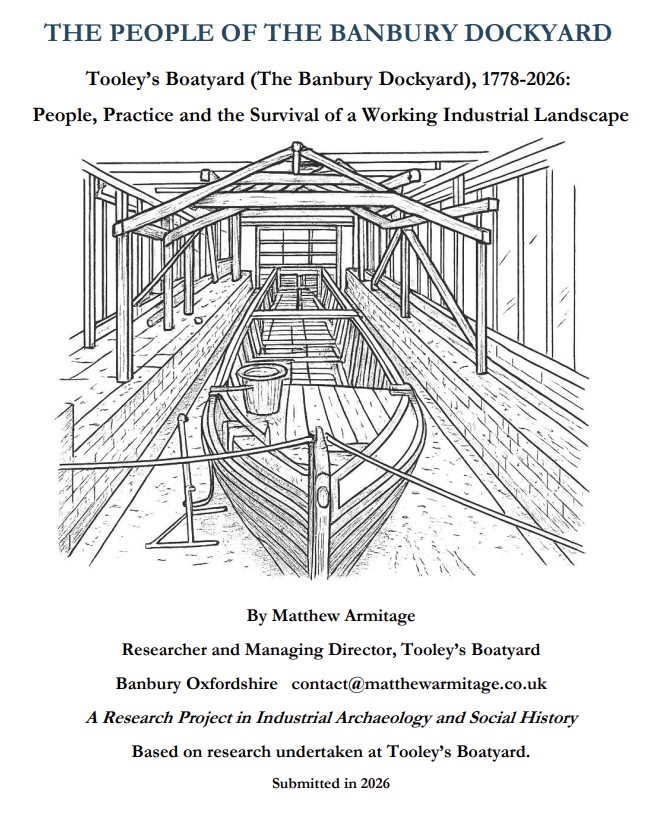
The full research project includes detailed chapters, appendices, operator biographies, documentary analysis, archaeological interpretation and supporting evidence.
Researchers, archives, heritage organisations, publishers and academic institutions are welcome to get in touch to request access to the full study.